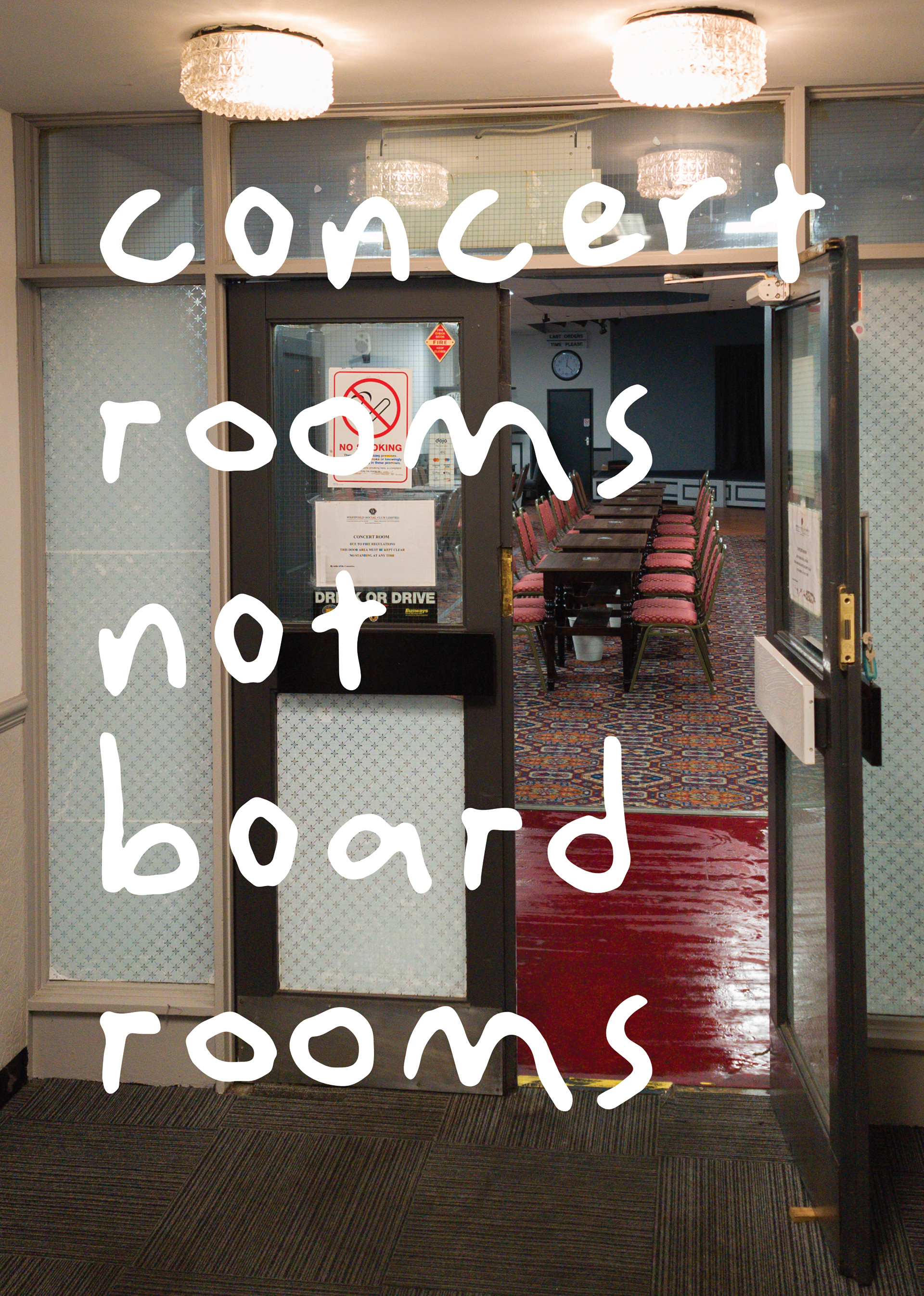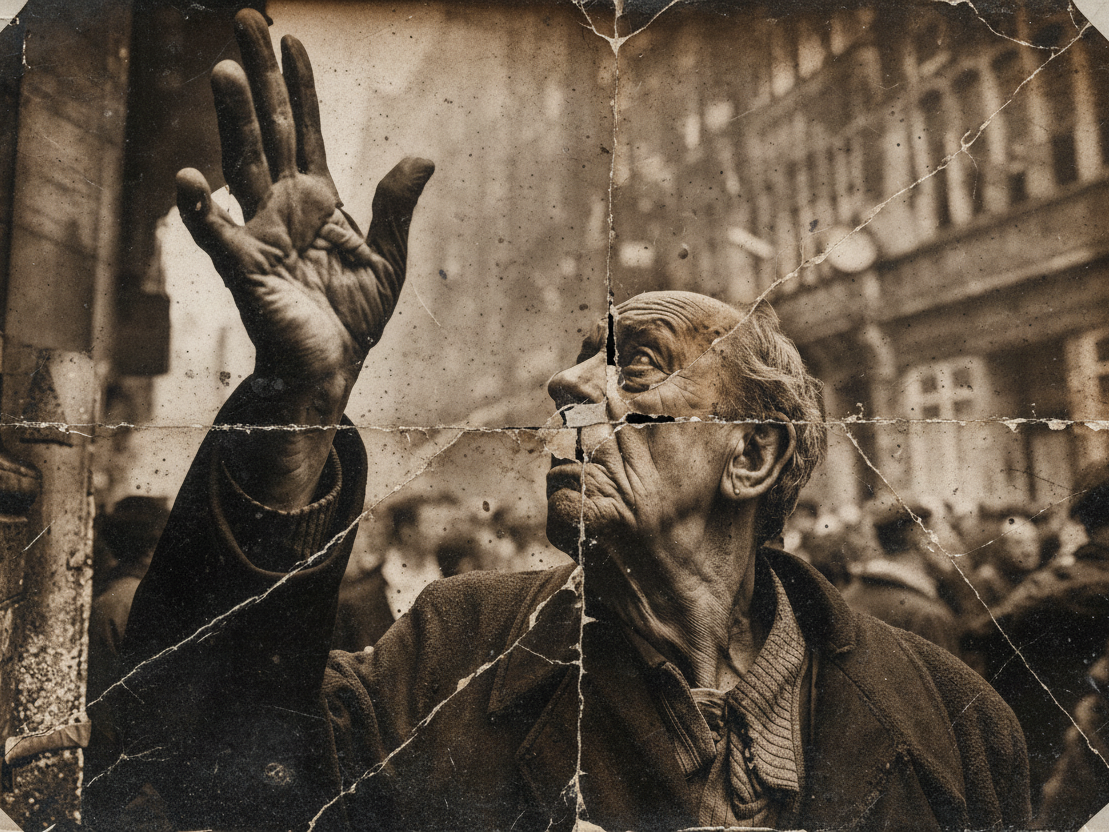
Long before the concert room was a stage for bingo and banner acts, the North East's working men's clubs were something more radical: libraries, lecture halls, and laboratories of collective life. Founded in the reformist spirit of the 1860s, these spaces offered working-class communities a rare form of self-governance. A place to read, debate, educate, and organise, built and owned by the very people who used them. In the pit villages and steel towns of Tyne and Wear and County Durham, the social club sat at the heart of a culture that knew how to resist. When the National Coal Board announced colliery closures in March 1984, it was from these same communities, nourished by generations of solidarity and shared struggle, that the miners' strike drew its deepest reserves of defiance. Six years later, when Thatcher's poll tax fell hardest on working people, those instincts for collective protest ignited again across the North East.
The club was never merely a place to drink; it was where solidarity was poured, practised, and passed on. Today, that inheritance is slipping away. Cheap supermarket beer, the smoking ban, streaming culture, and the slow death of the industries that once anchored community life have left many of these spaces half-empty or closed entirely. In the absence of the club something harder to name is also disappearing: the habit of gathering, the muscle memory of mutual aid, the simple but vital act of showing up for each other.
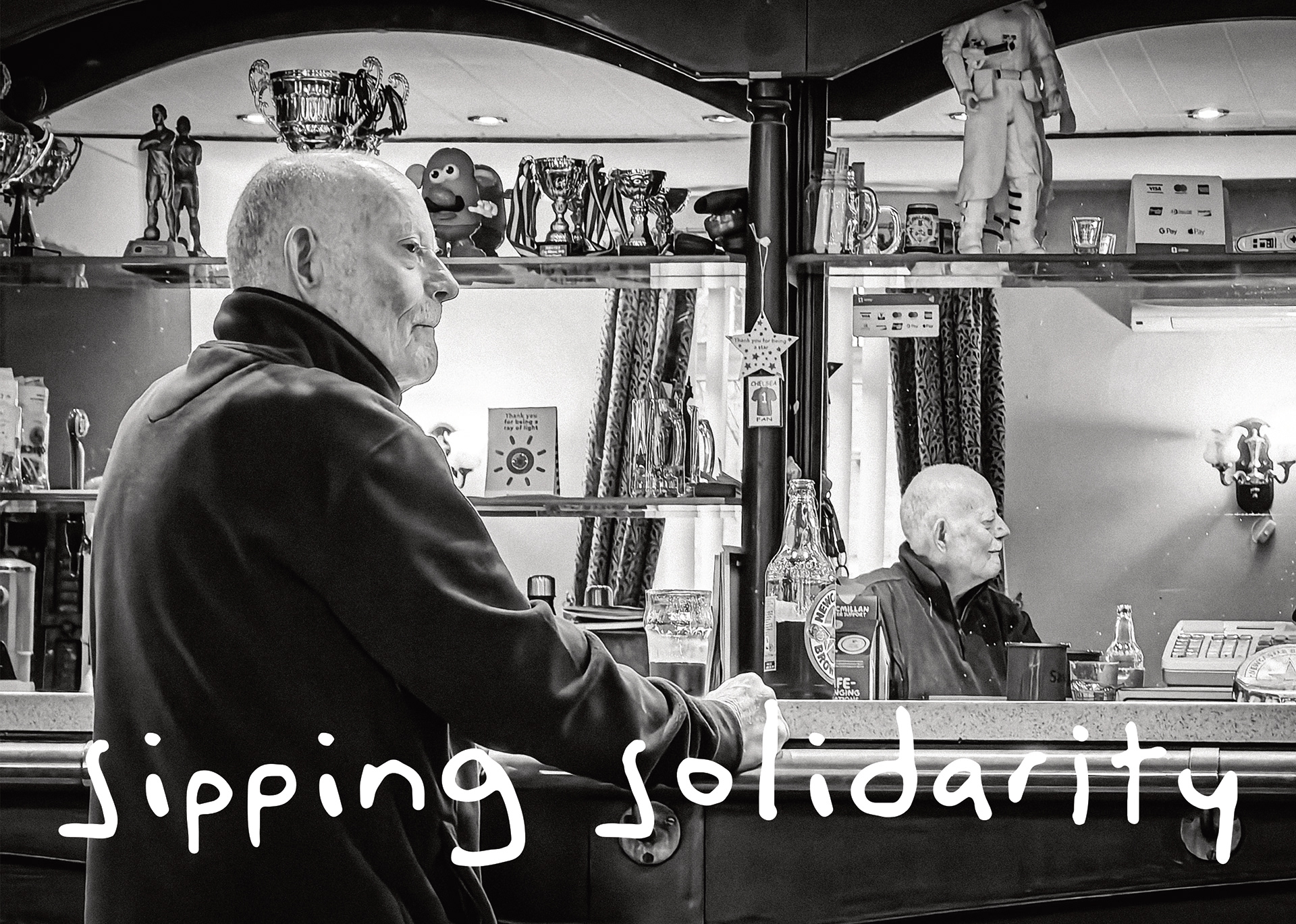
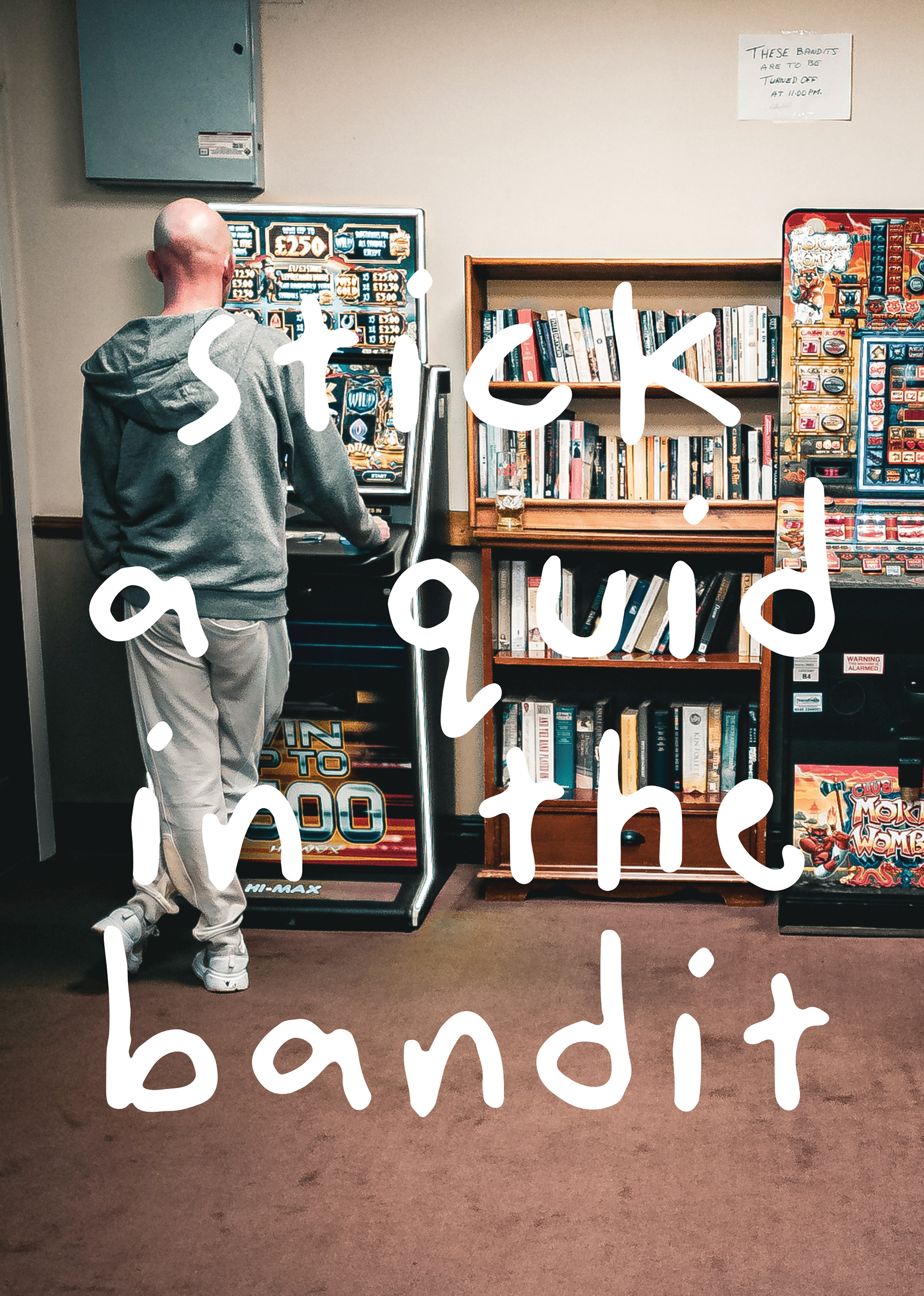
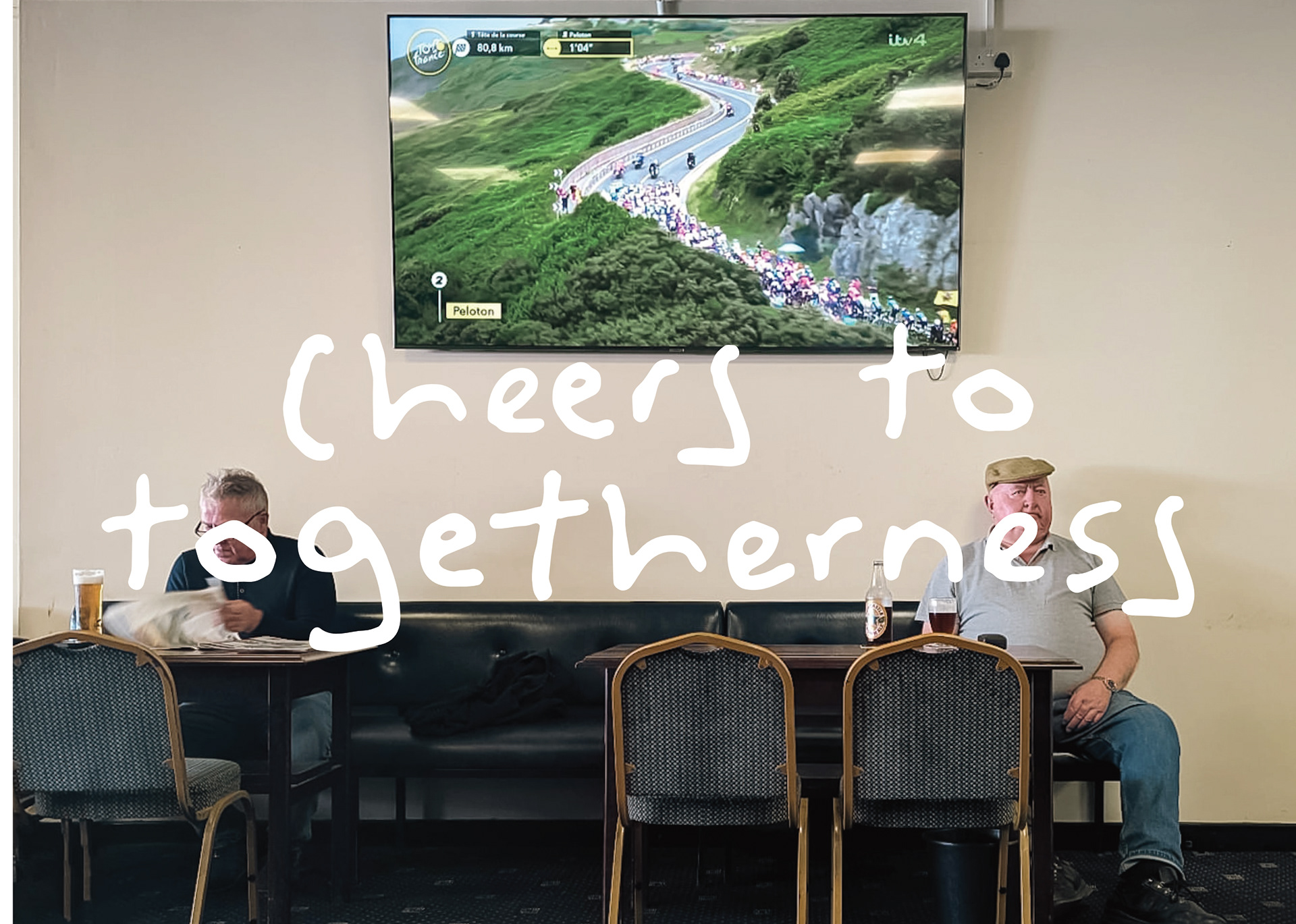
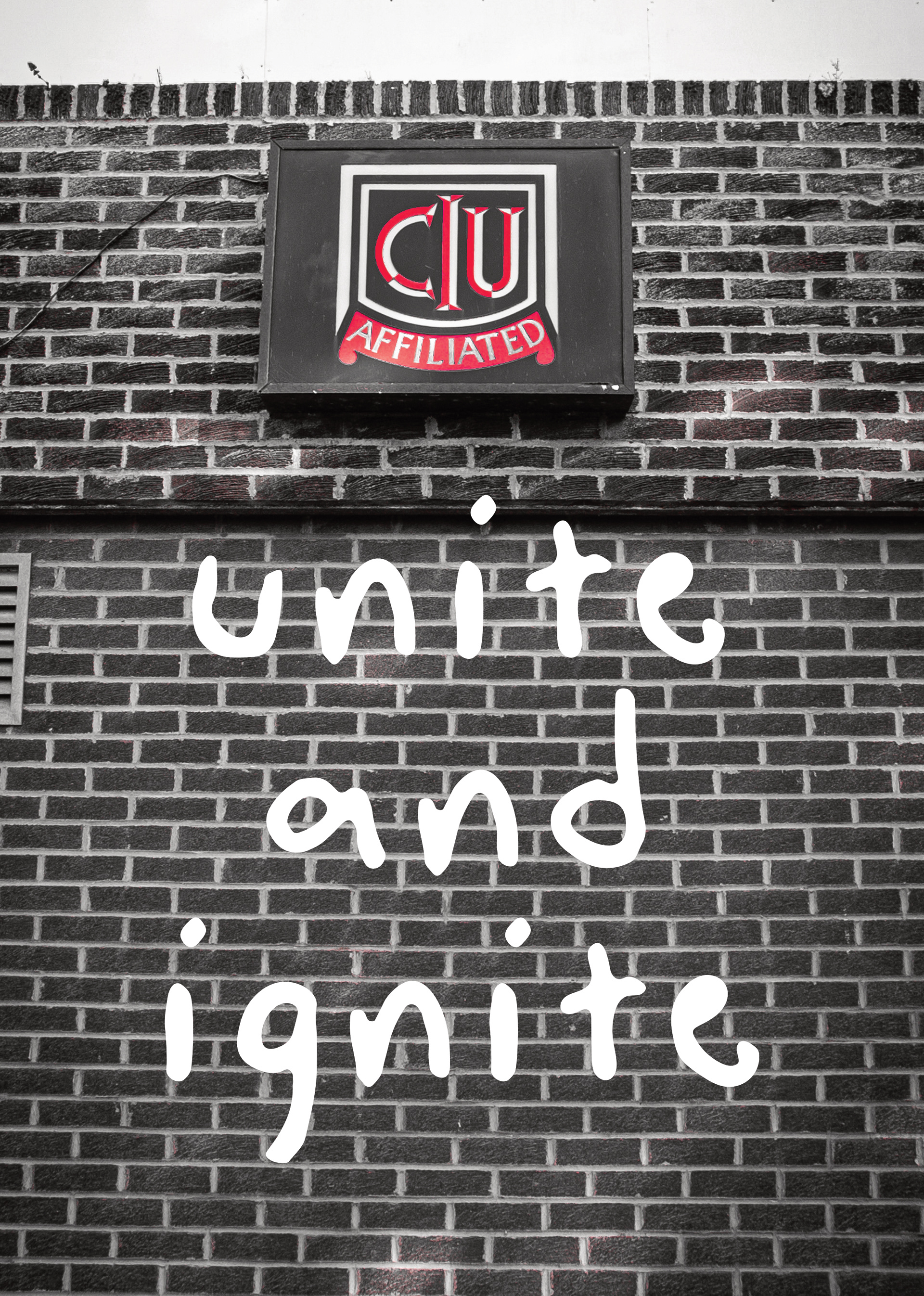
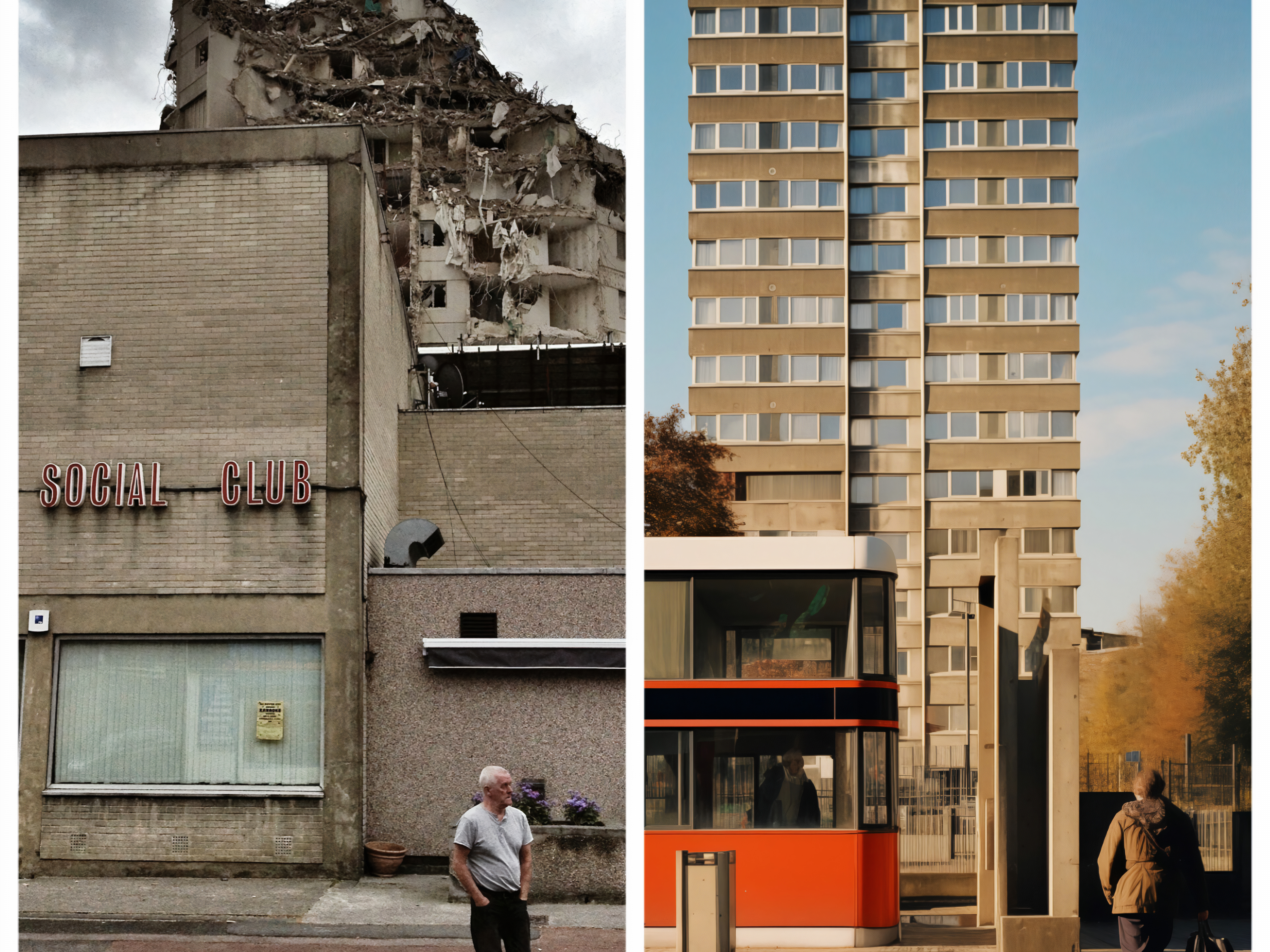
Pull Together extends my ongoing meditation on the North East social club. A body of work rooted in my exploration of the poetic tension between nostalgia and innovation, and his longstanding written interest in memory, place, and the communities that hold both. Where my WMC.NE series reimagined these spaces through generative possibilities, this series returns to the photographic record. Analogue in spirit, documentary in gaze.
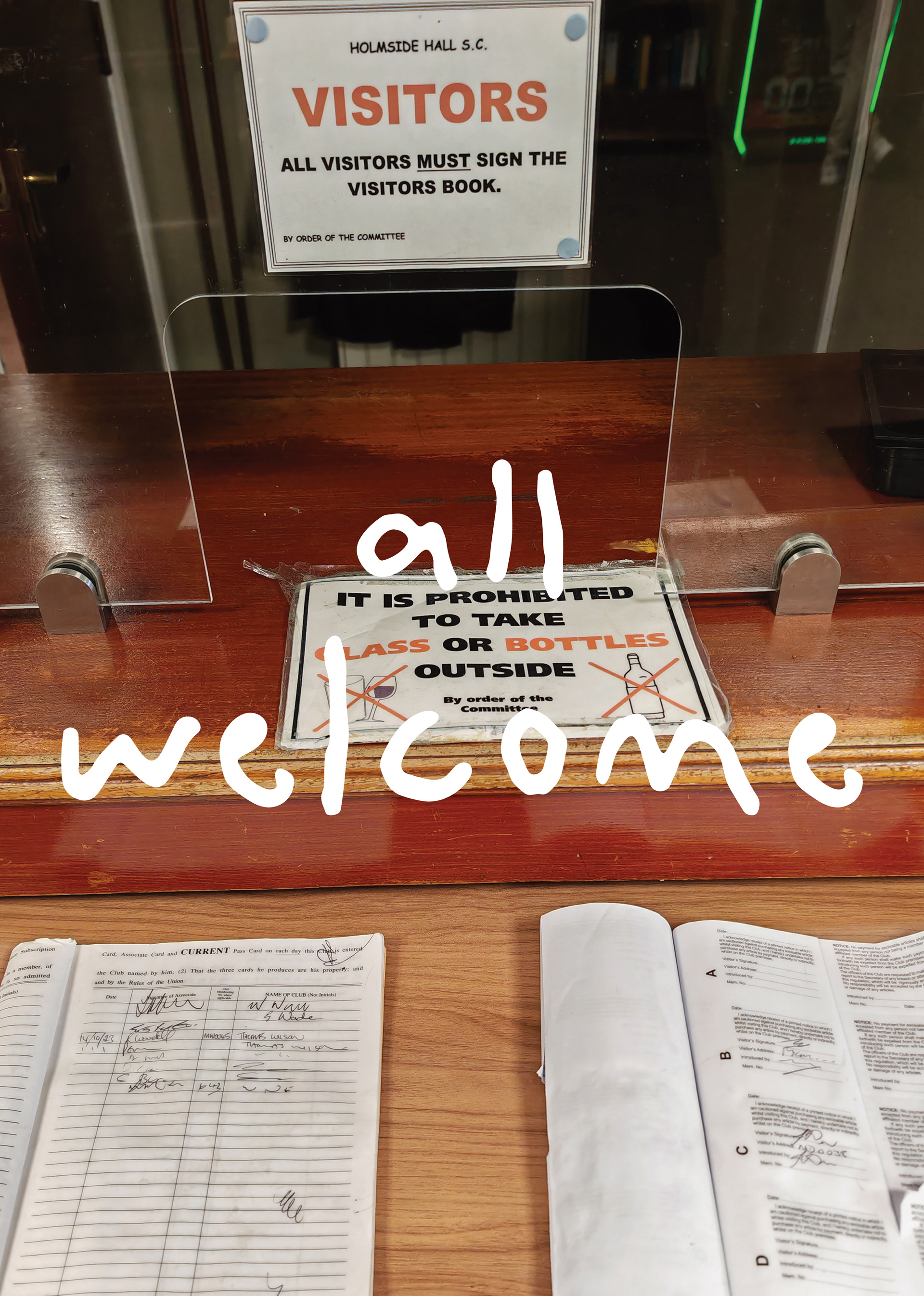
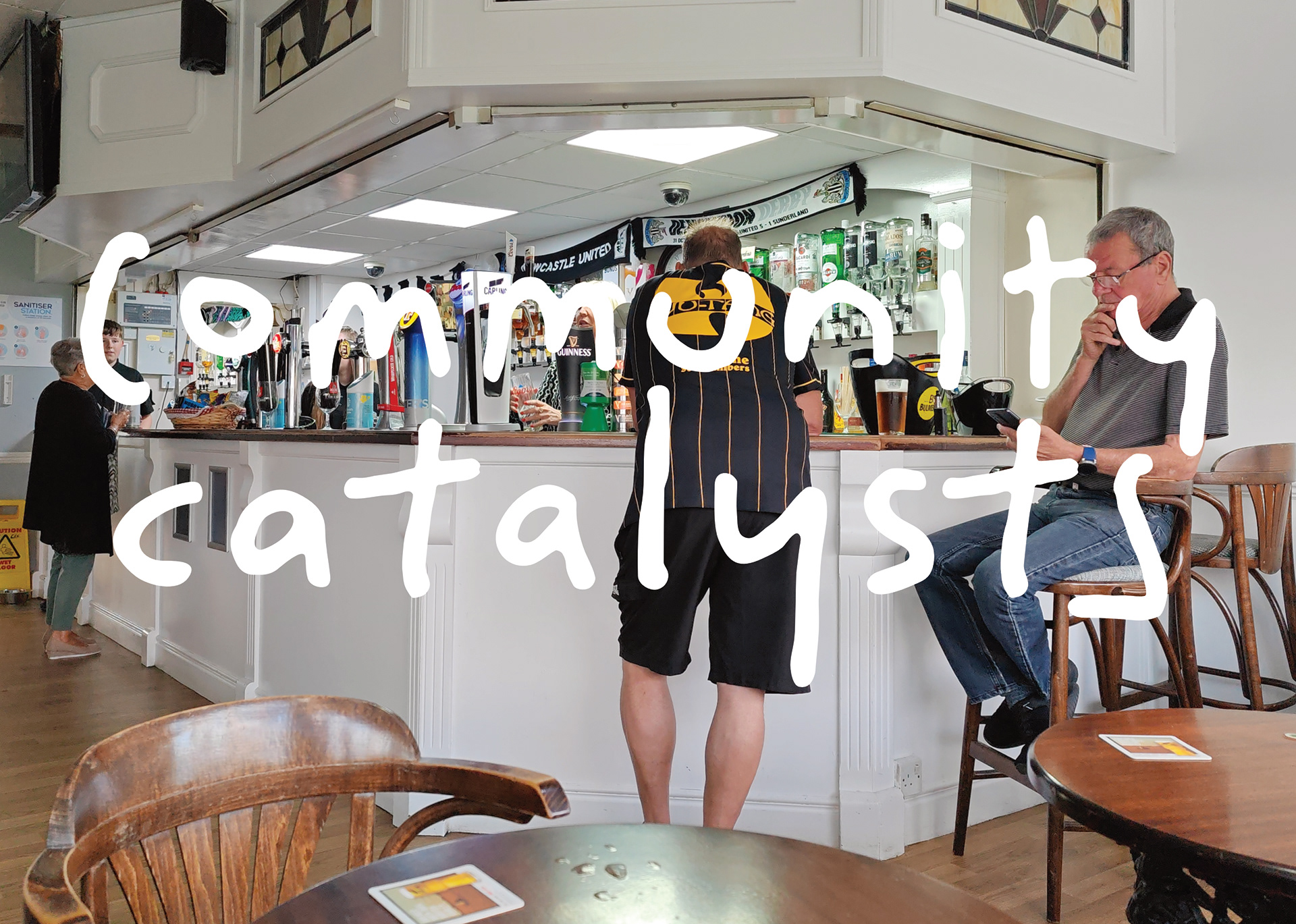
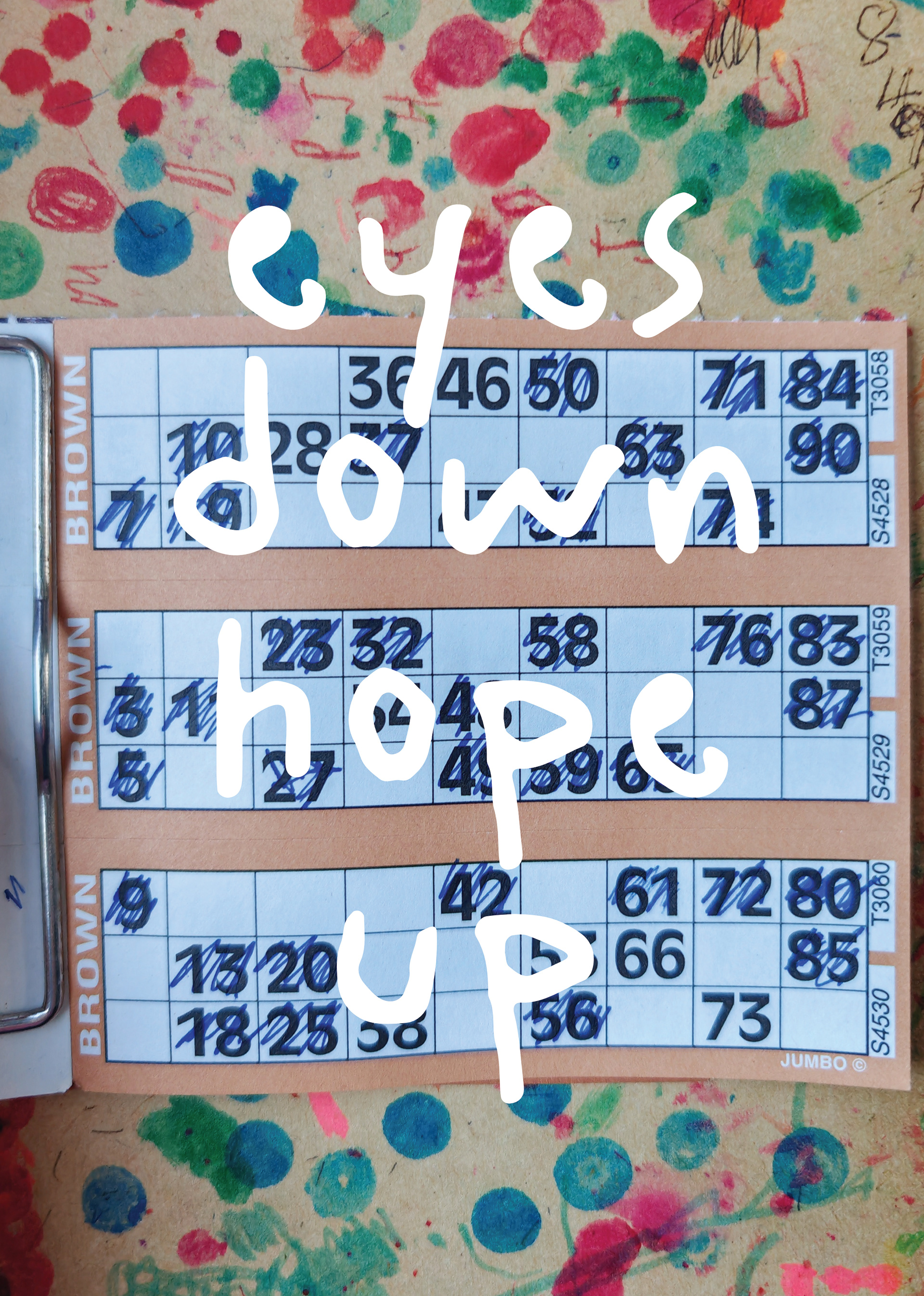
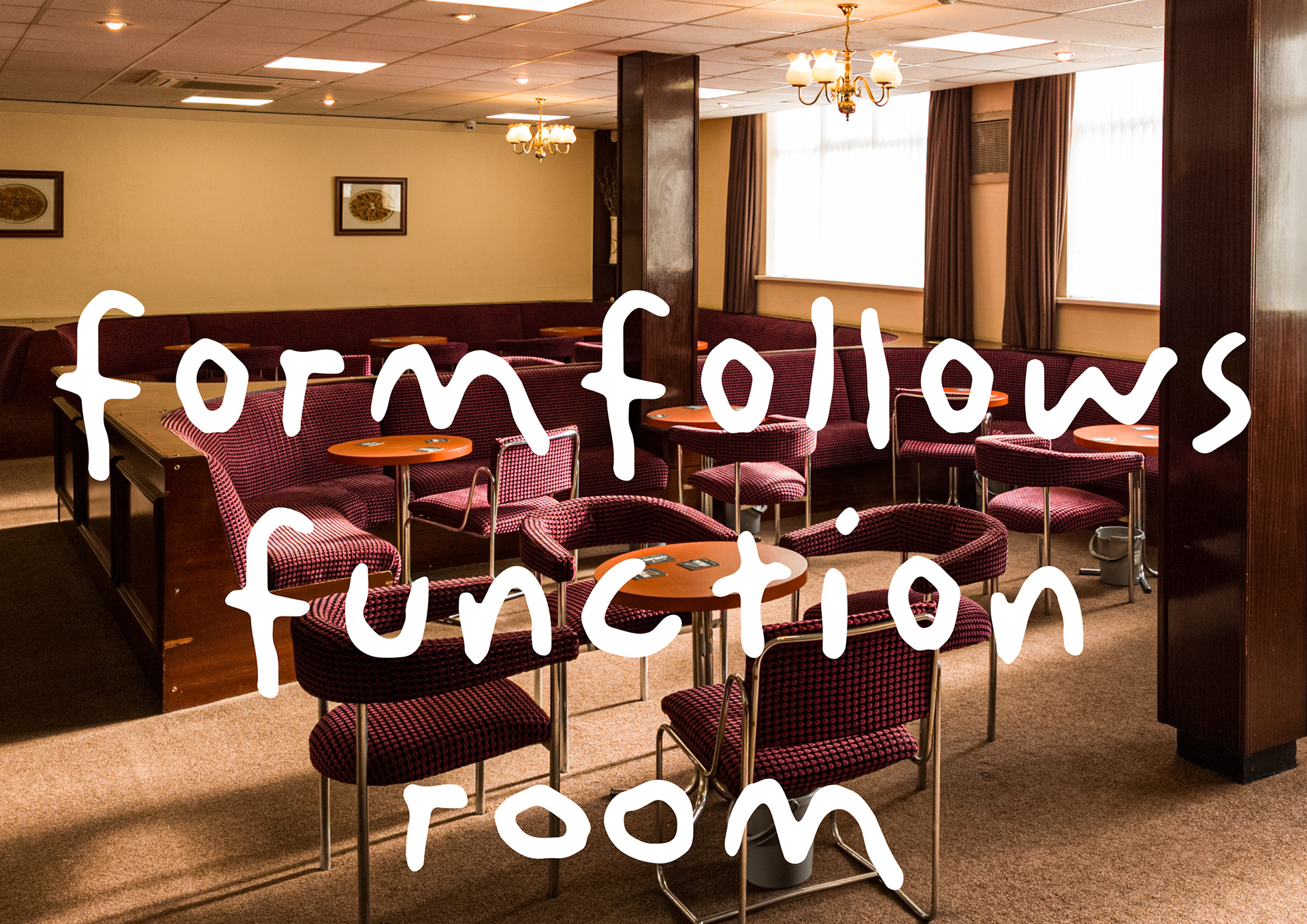
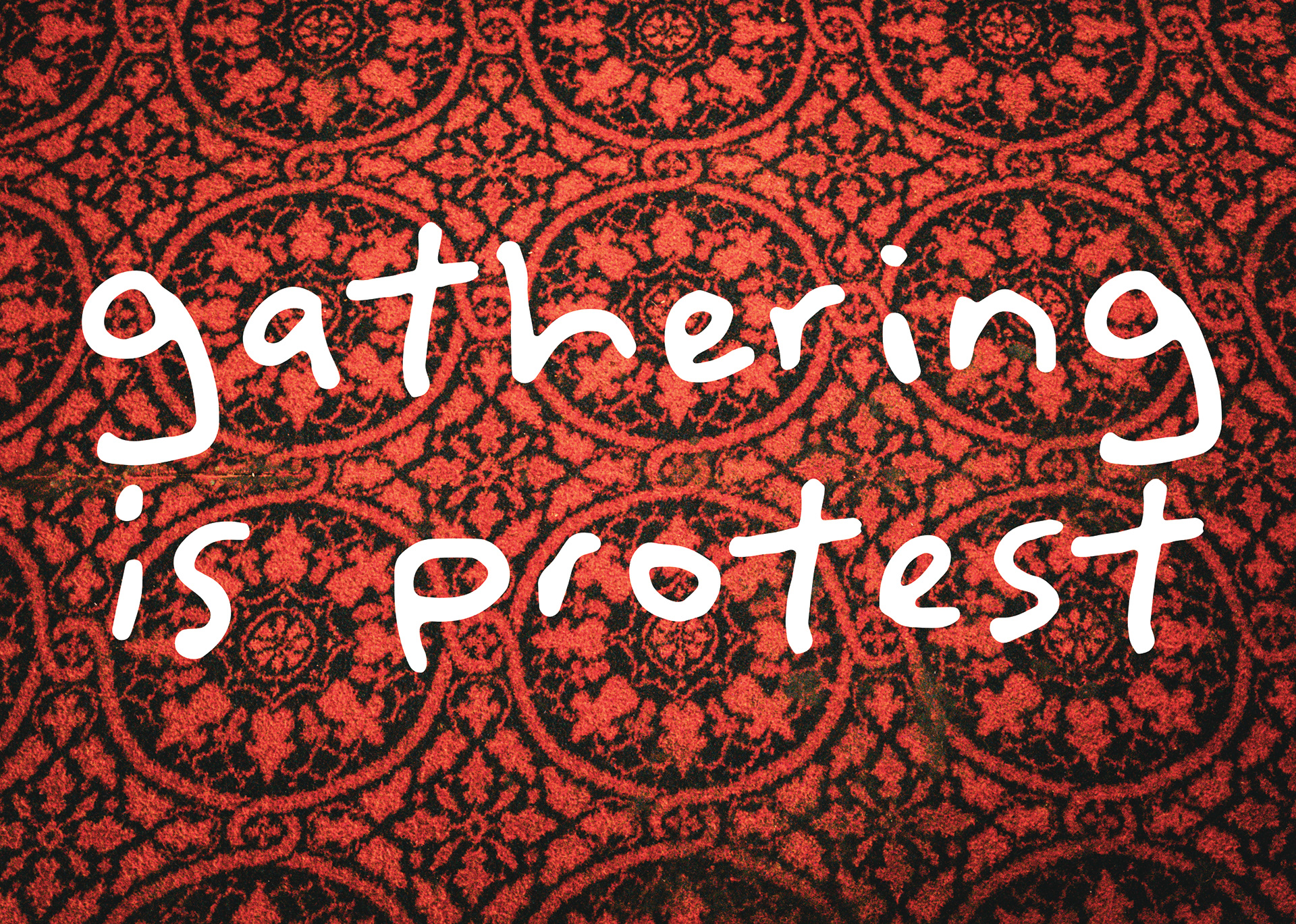
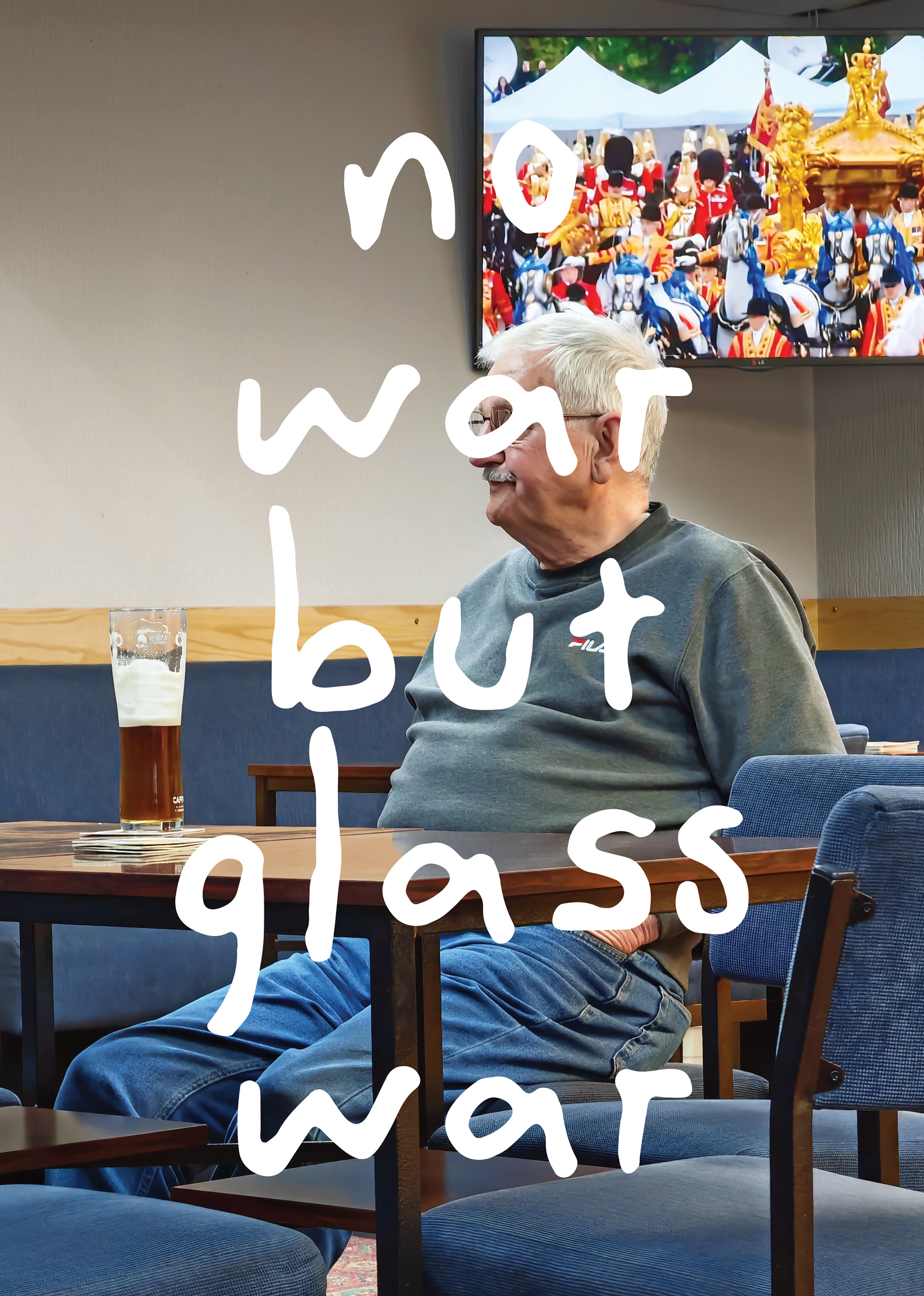
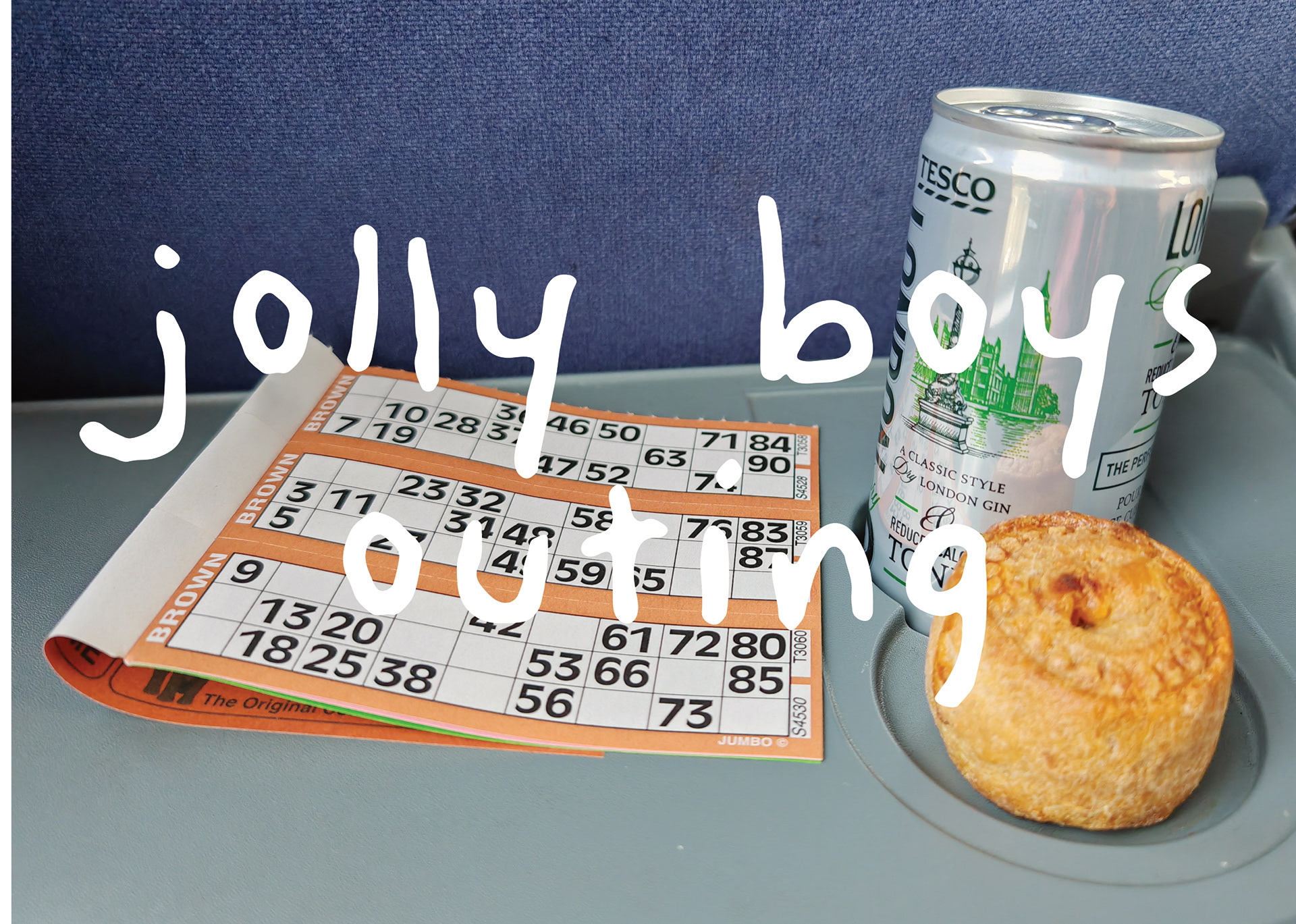
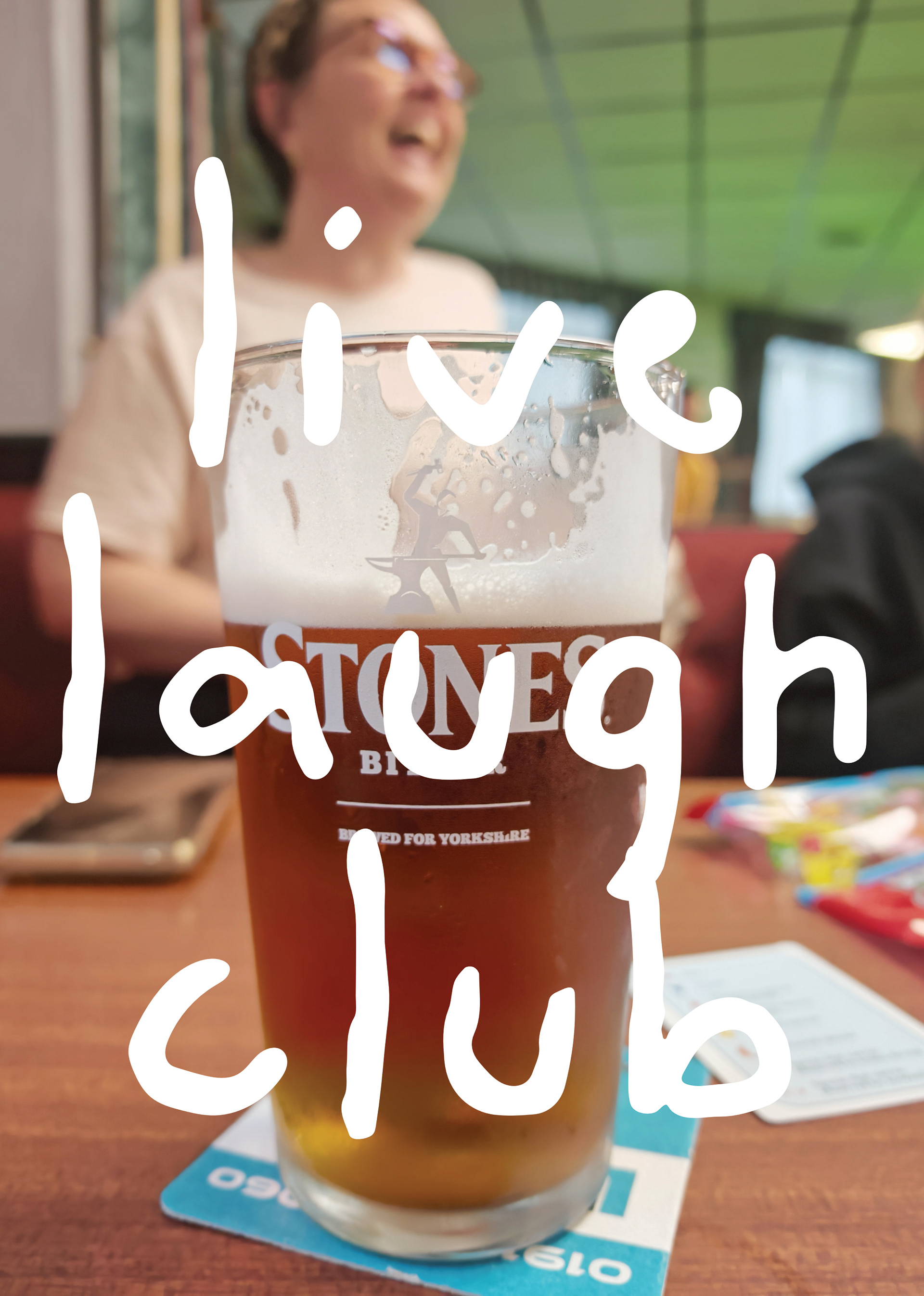
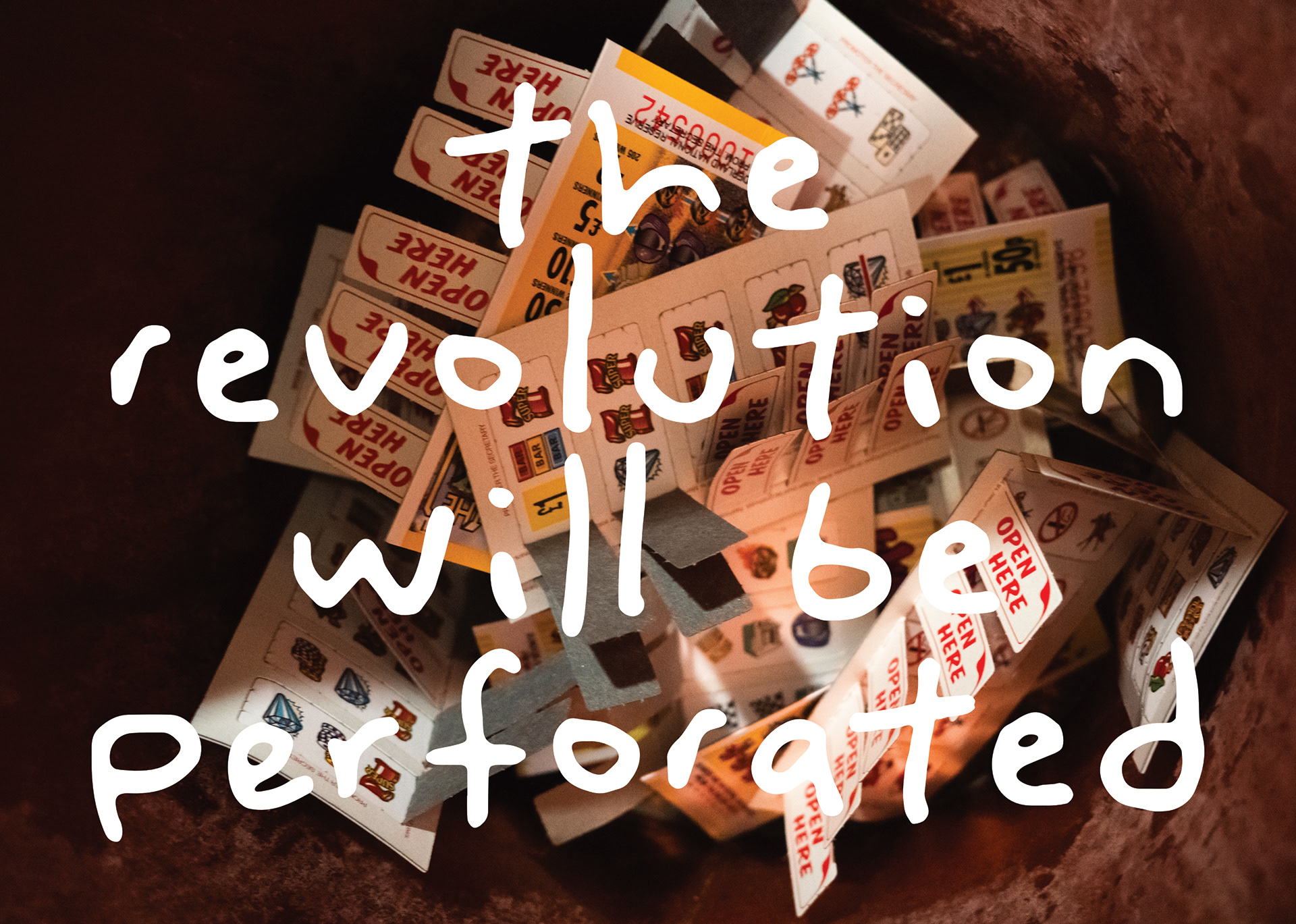
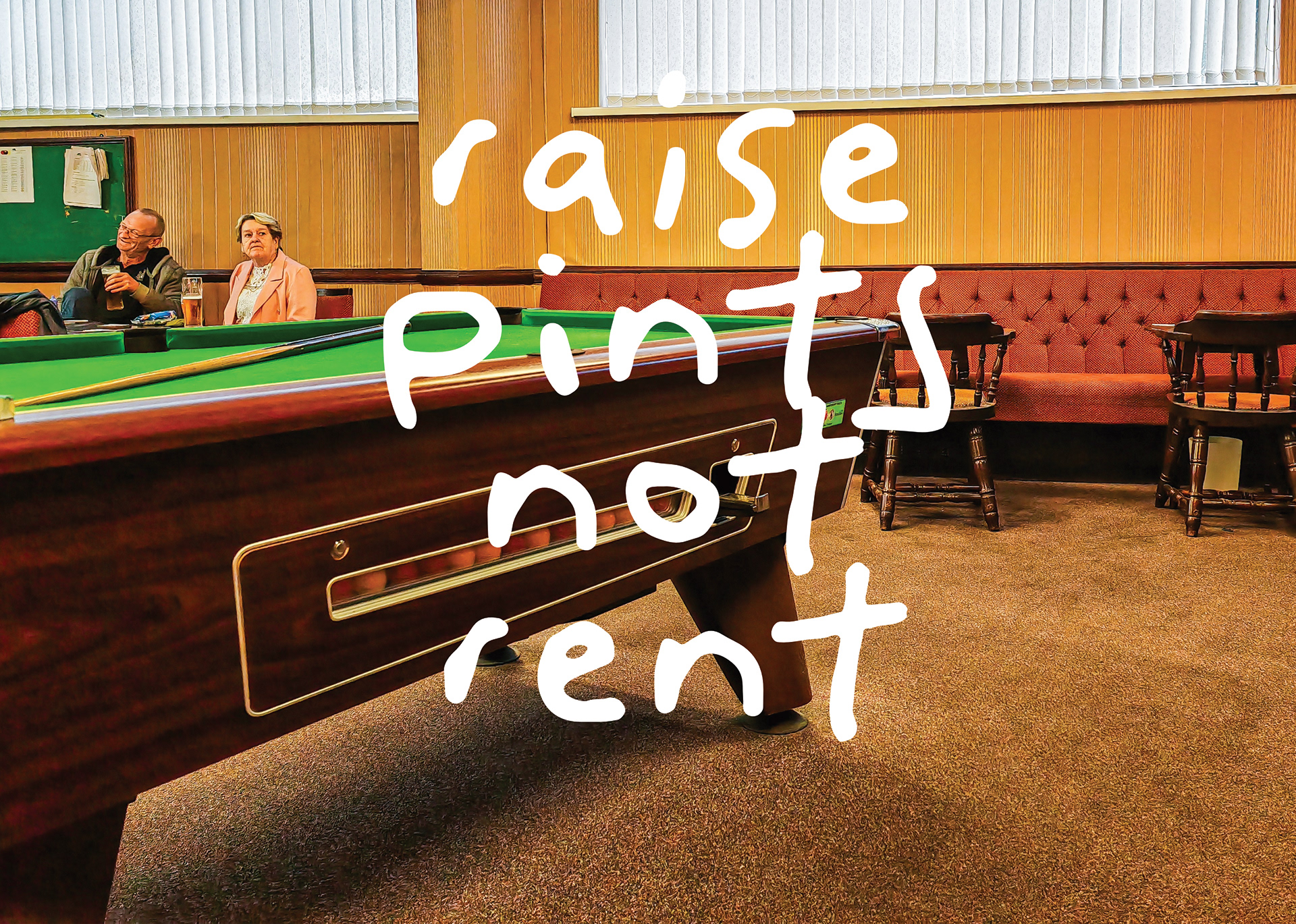
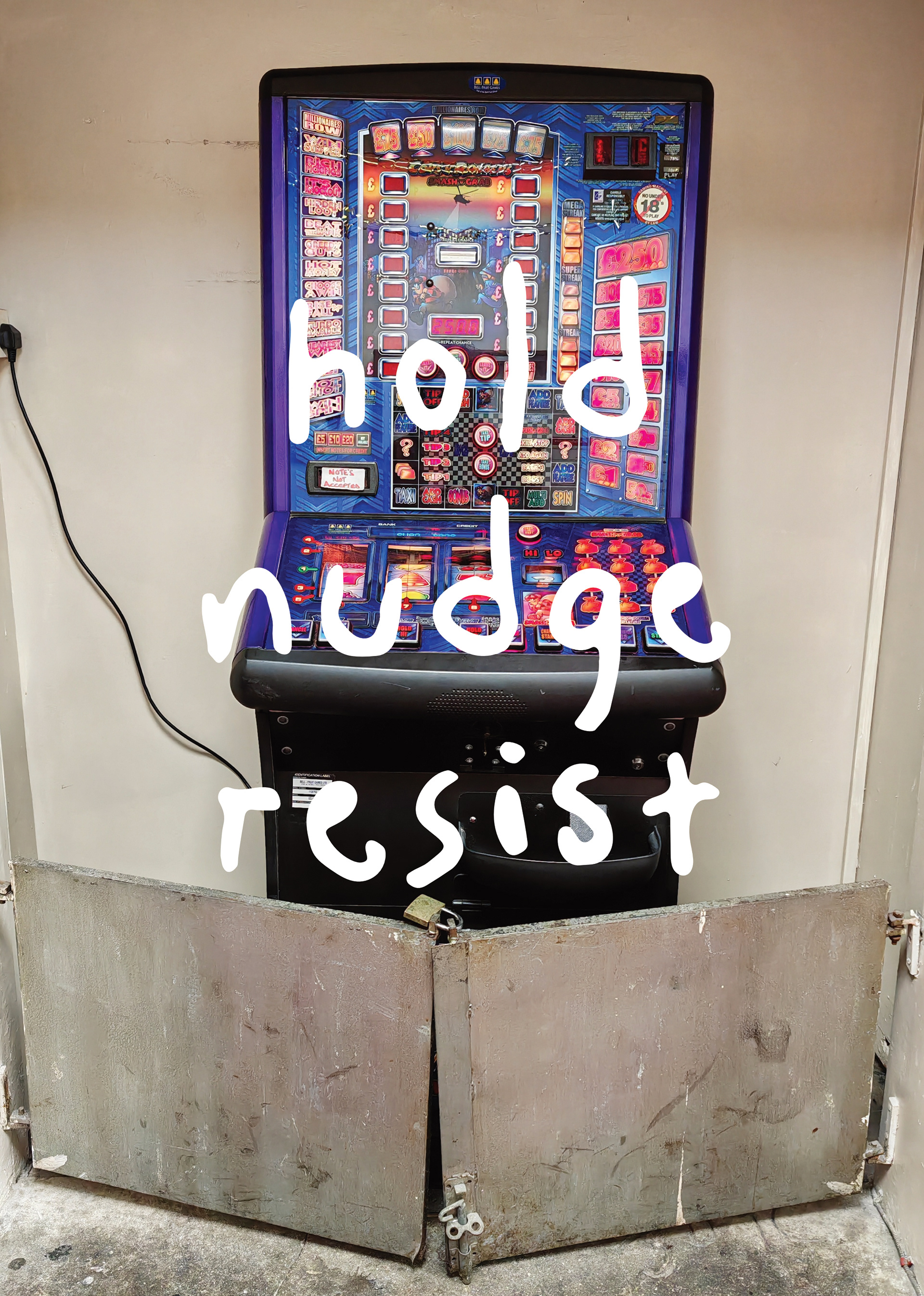
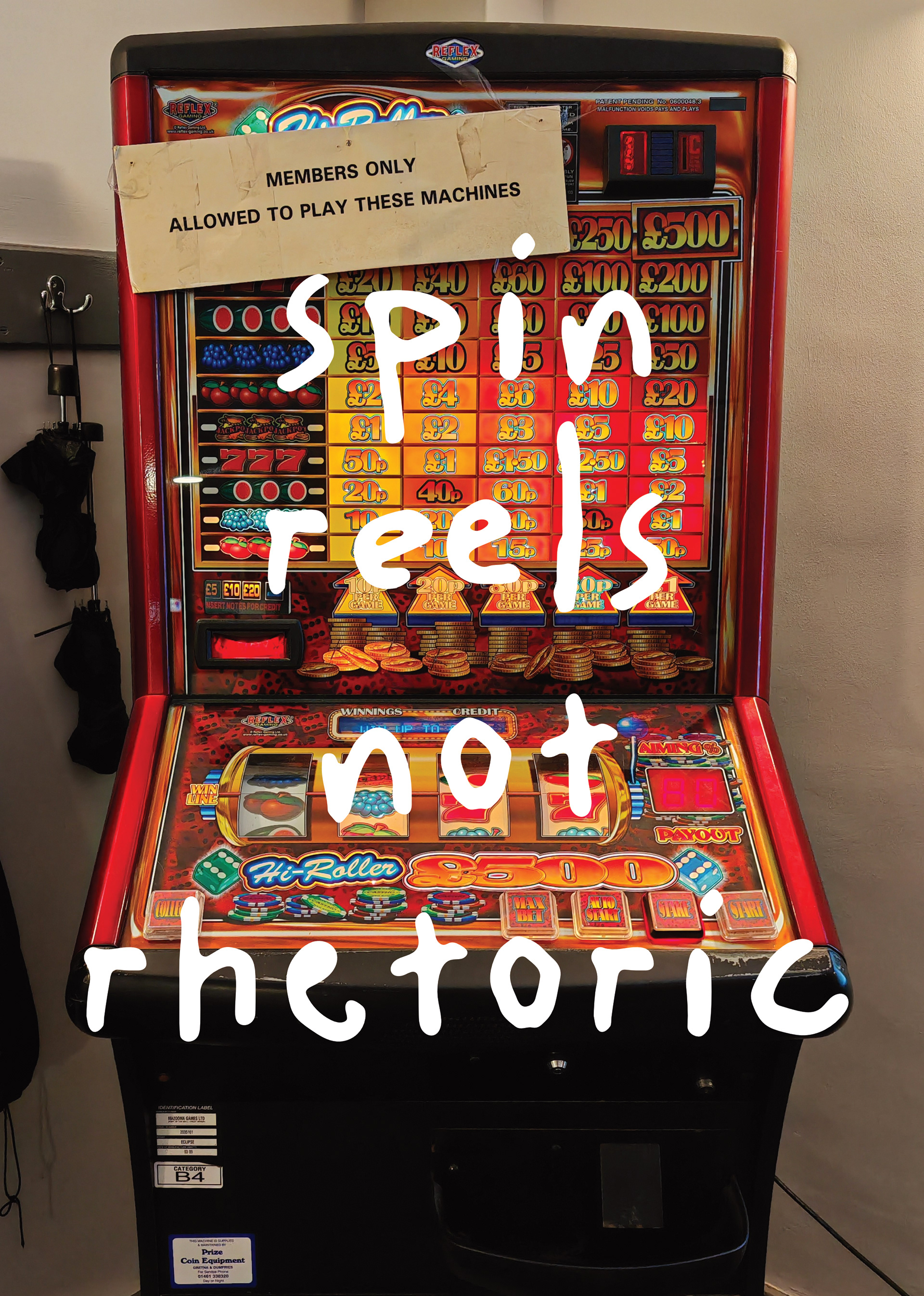
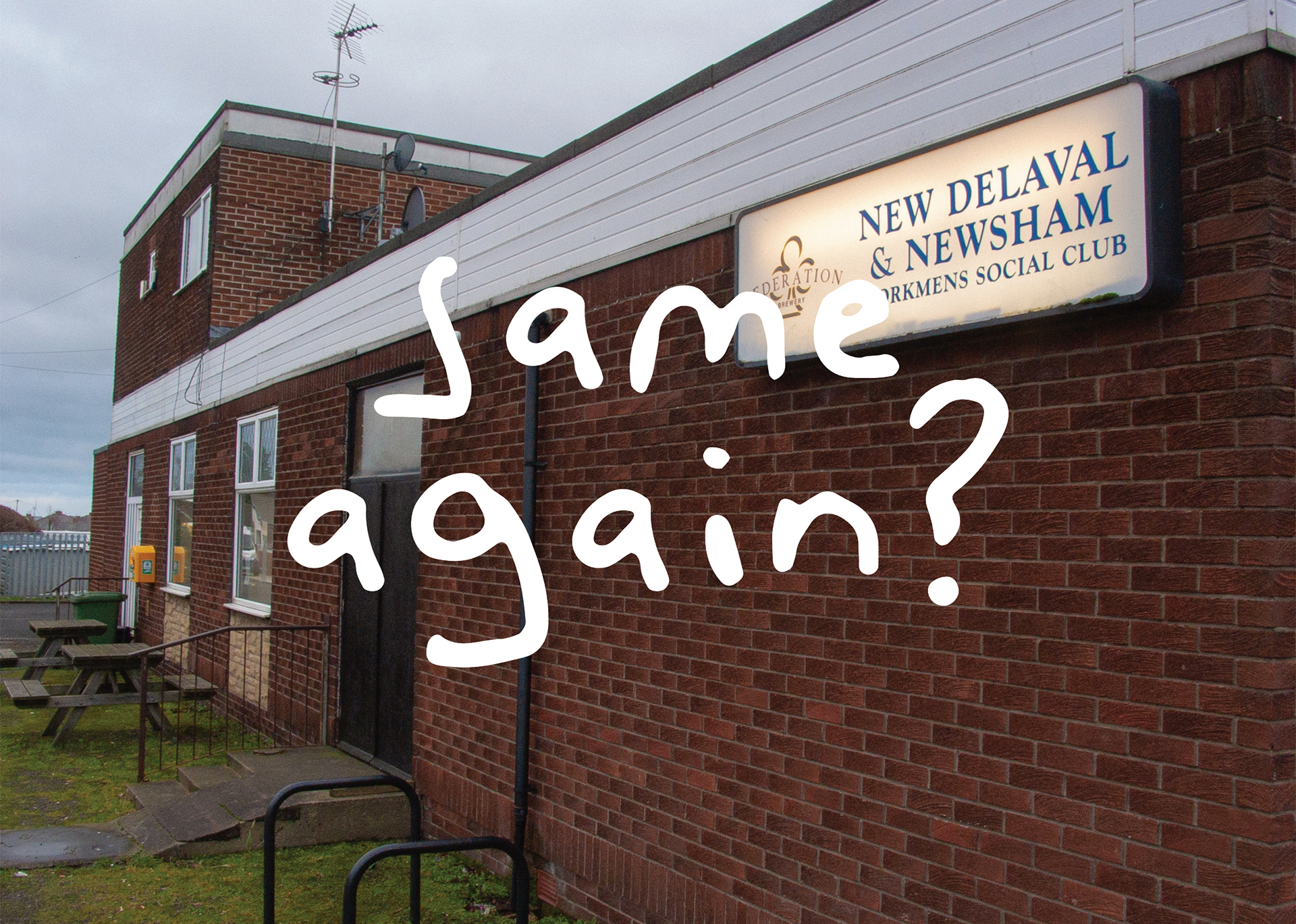
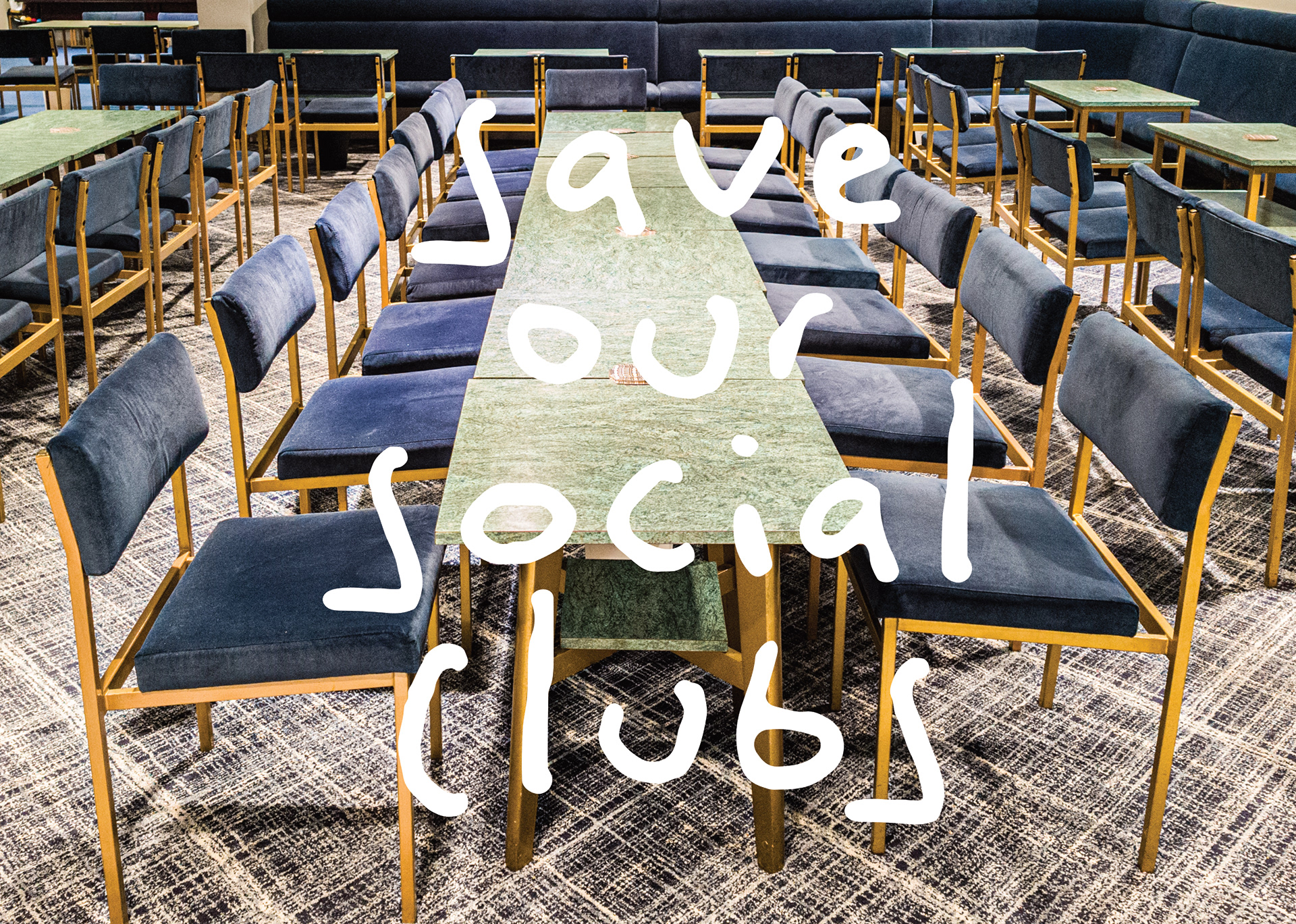
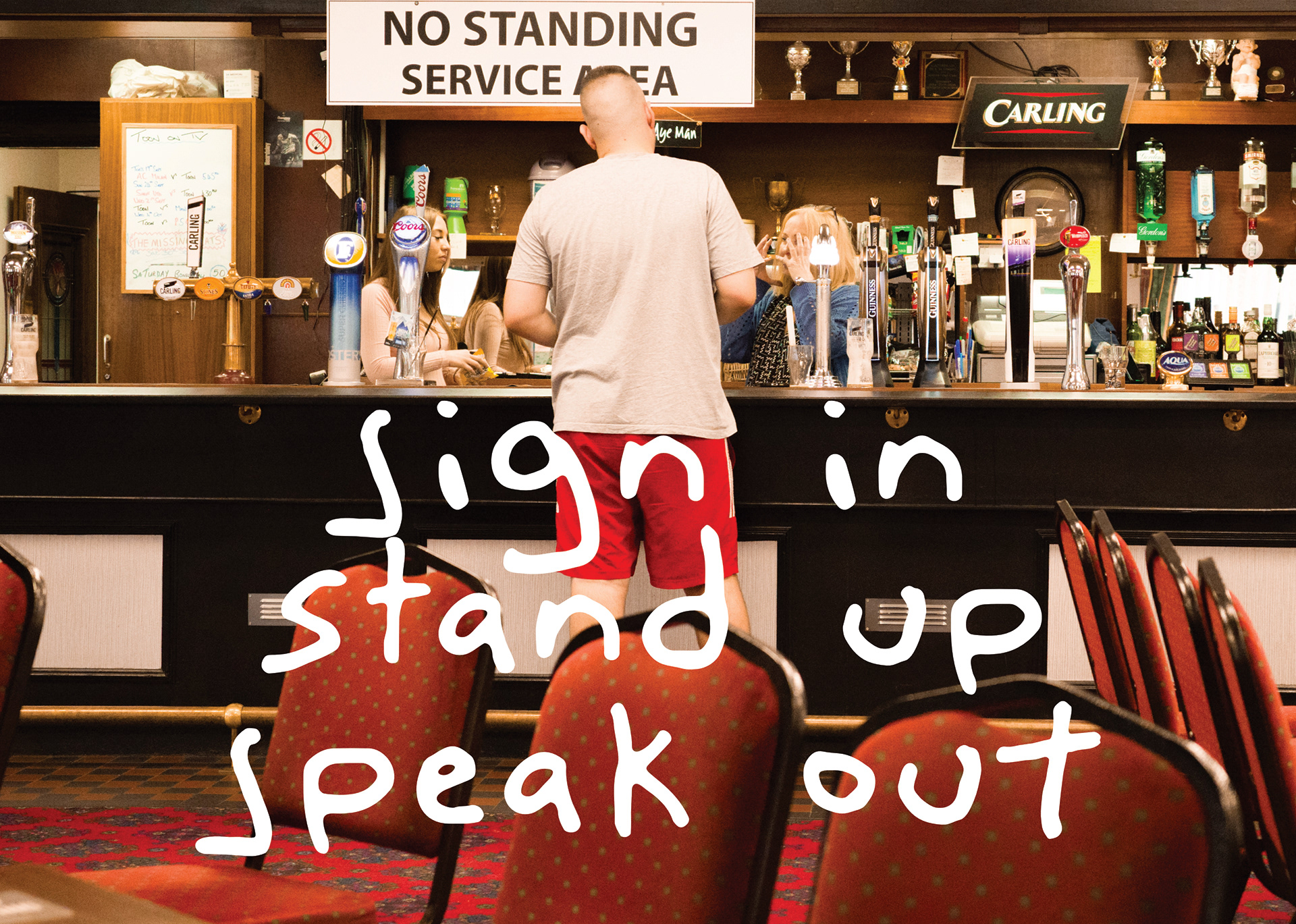
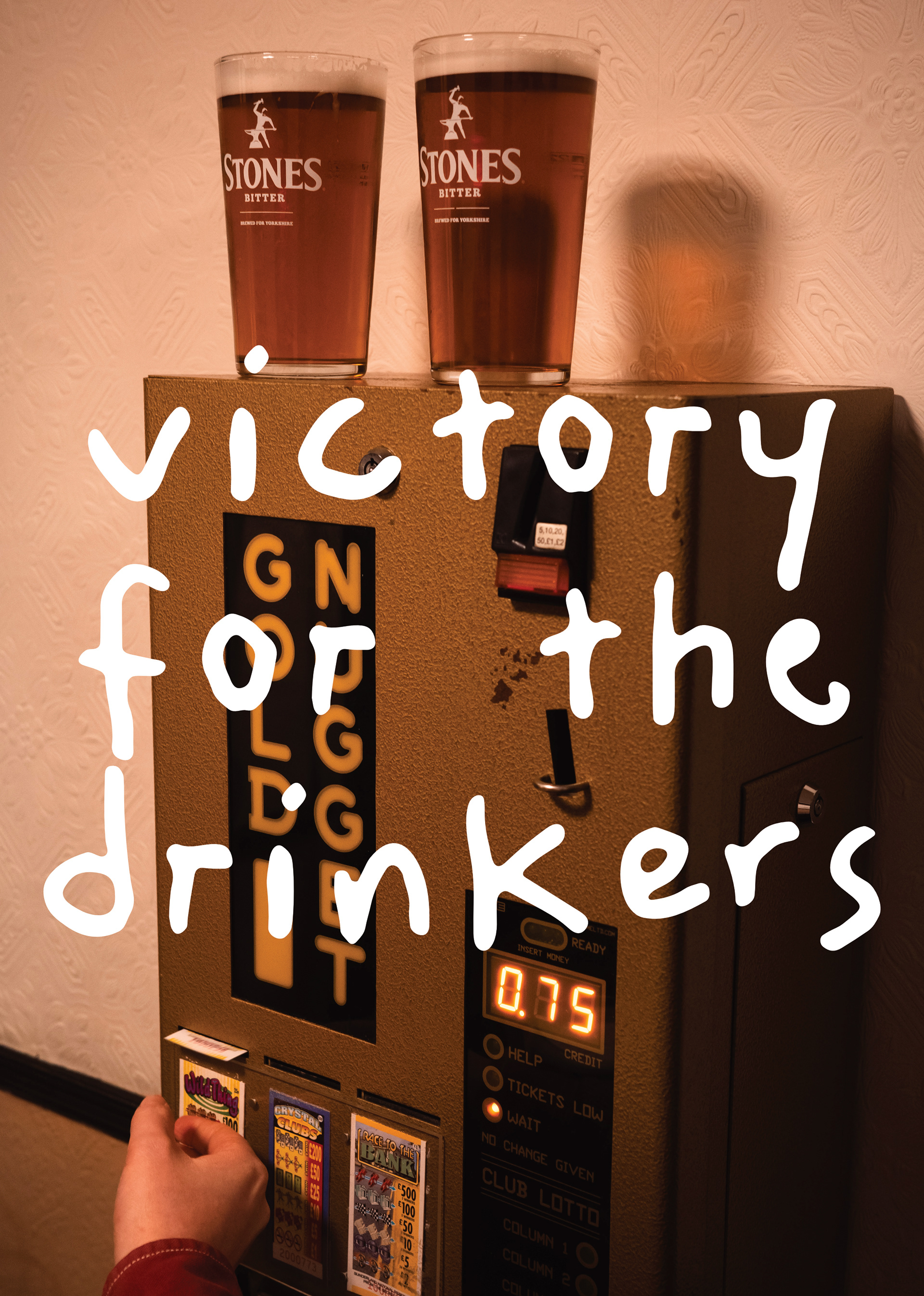
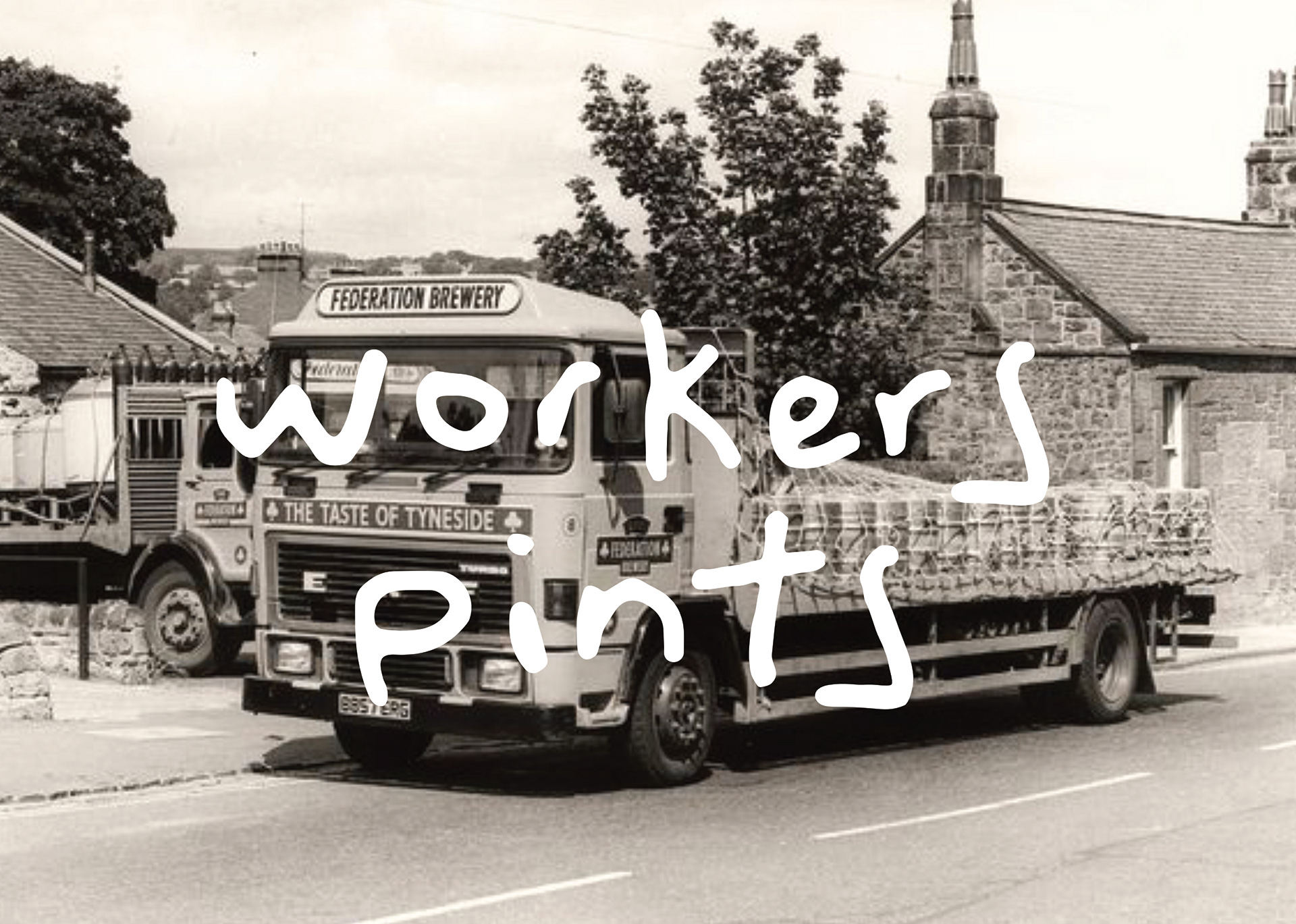
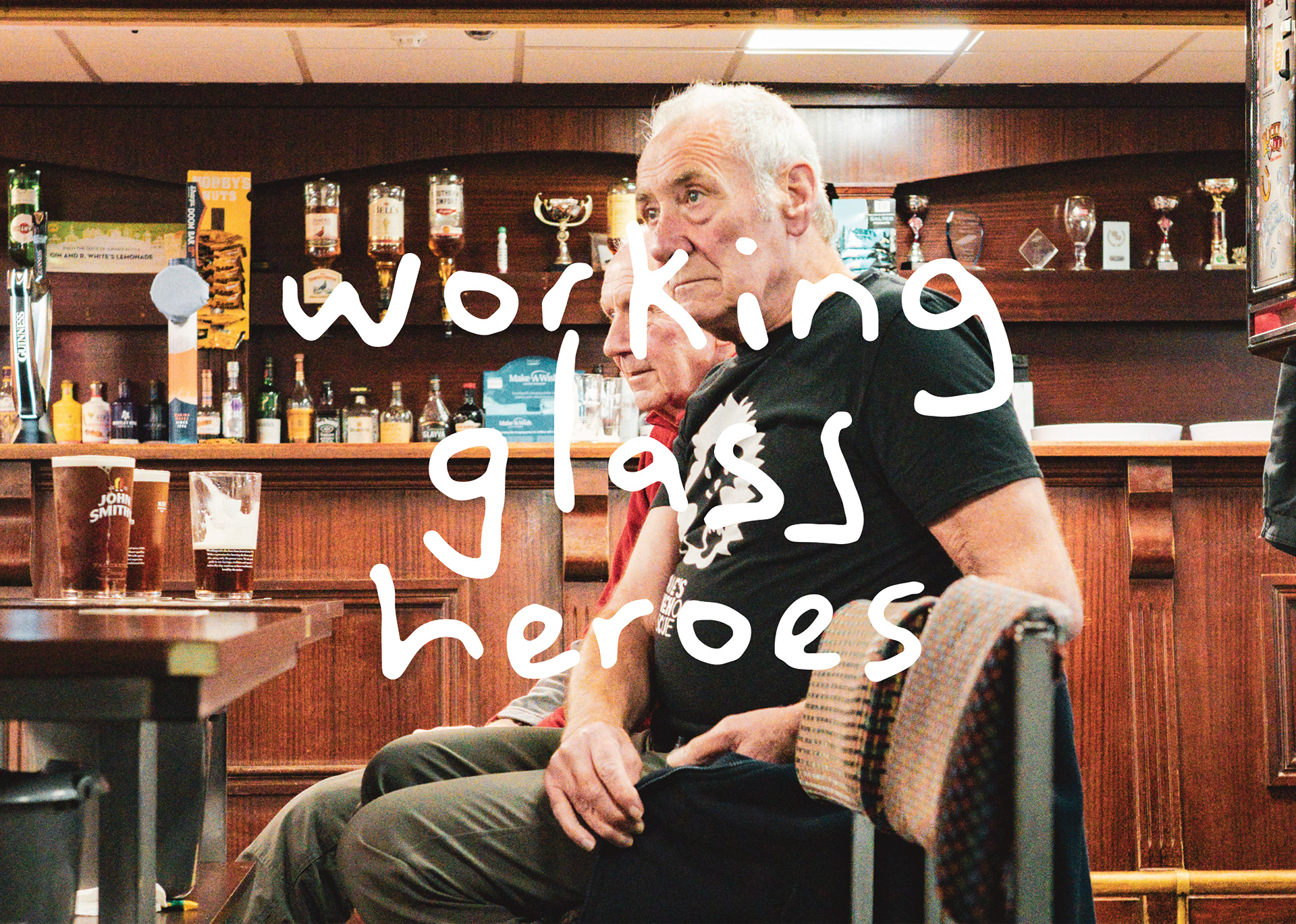
The slogans layered across these images are not captions, they are demands. Drawn from the vernacular of working-class life, they carry the cadence of protest banners, of last orders, of something worth fighting for. Shot in the real light of rooms that still stand, they insist that these spaces still matter. That the revolution, if it comes, will be perforated at the edge of a pull tab lottery ticket, raised in a pint glass, and spoken aloud by locals who refuse to sign out for good. To reinvigorate the social club is not to retreat into the past; it is to reclaim one of the few spaces in working-class life that was always an act of resistance.